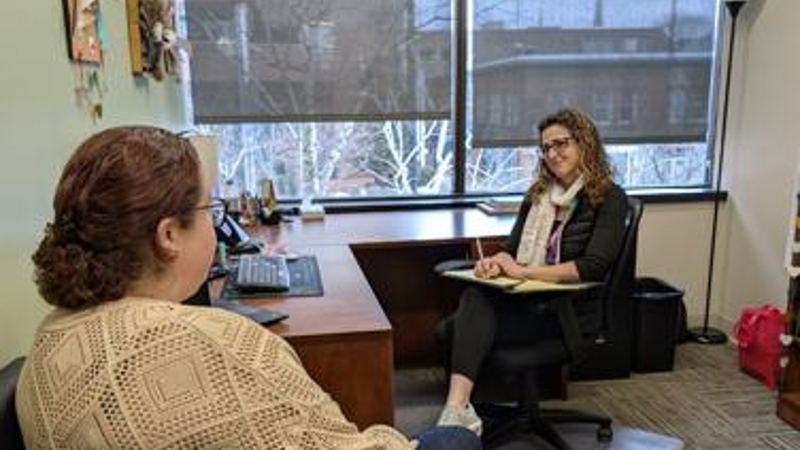
Six years after the pandemic began, mental health experts report a mixed picture of recovery. According to Cynthia Whitaker, executive director of the Greater Nashua Mental Health Center, during the pandemic “the uplifting hope connection that people got from being around other people eroded.” Underlying mental health conditions were exacerbated and new symptoms emerged. “A little anxiety became a lot of anxiety. A little depression became a lot of depression. It forced everyone up a level of mental health care needs,” said Whitaker.
Most Americans are not as socially engaged or resilient as they were pre-pandemic and have a higher baseline level of anxiety, according to mental health authorities. Anxiety and depression surged in response to worry, fear, and isolation, especially for children, teens, young adults, and seniors. Stress, medical issues, trauma, financial challenges, grief, and loss have continued to worsen mental health problems in the pandemic’s wake. Dr. Sarah Rocha, a child and adolescent psychiatrist and medical director of Elliot Behavioral Health Services in Manchester, reported “we’ve seen more acuity and more demand.”
However, a significant positive trend has emerged: “People who might not have sought mental health care in the past are choosing to seek it now.” This increased help-seeking comes simultaneously with a nationwide workforce shortage in mental health care. New Hampshire’s behavioral health system has evolved to meet demand through mobile crisis units, suicide hotlines, telehealth, trauma-informed care, and mental health awareness programs. Community mental health centers now offer “Open Access” walk-in hours during the week, providing same-day contact with mental health providers. Many centers are adding primary care services on site, while psychiatric nurse practitioners help alleviate psychiatrist shortages.
The pandemic paradoxically increased mental health awareness and reduced stigma. Dr. William Charmak, a psychologist at Foundation Counseling and Wellness, described the pandemic as “a form of trauma” that left people with heightened anxiety and reduced sense of predictability. Yet mental health leaders emphasize that COVID sparked important progress in conversation and awareness that must be maintained. “We need to not let mental health and suicide go back into the shadows,” said Susan Stearns, executive director of NAMI-NH.
This article is an AI-assisted summary. All facts and figures are drawn from the original report: https://www.unionleader.com/news/health/nh_medical/covid-infected-mental-health-have-we-recovered-yet/article_62c8d234-3c08-4165-97ed-ff0bcc060fb3.html