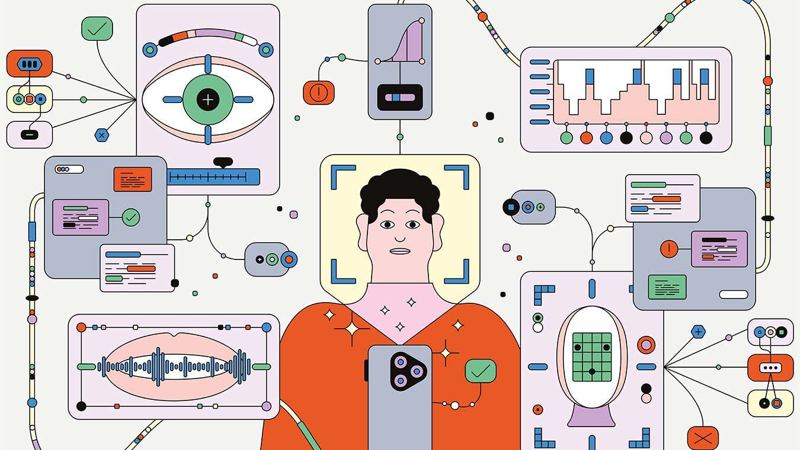
Psychiatry may be moving toward objective diagnostic tools through artificial intelligence and “digital biomarkers”—measurable biological signals that can be analyzed by algorithms to assess mental health conditions. According to some psychiatrists quoted in the reporting, chatbots conducting standardized interviews could help establish these markers and inform treatment planning.
Tracking Mental Health Through Daily Data
The candidate biomarkers being explored include voice cadences, facial expressions, bodily movements, and changes in heart rate during sleep. Much of the data required already exists on personal devices people carry daily, offering what psychiatrists describe as “an unprecedented view of someone’s life.” If successful, this approach could enable more personalized treatment plans and potentially identify relapses before someone enters crisis.
Unresolved Concerns
The reporting notes “major questions about the reliability of these diagnoses” as well as “inevitable privacy concerns” surrounding the collection and analysis of such personal data. The article does not detail specific reliability studies or address how privacy safeguards might be implemented, indicating these remain open questions as the field explores this direction.
This article is an AI-assisted summary. All facts and figures are drawn from the original report: https://www.newscientist.com/article/2509966-psychiatry-has-finally-found-an-objective-way-to-spot-mental-illness/