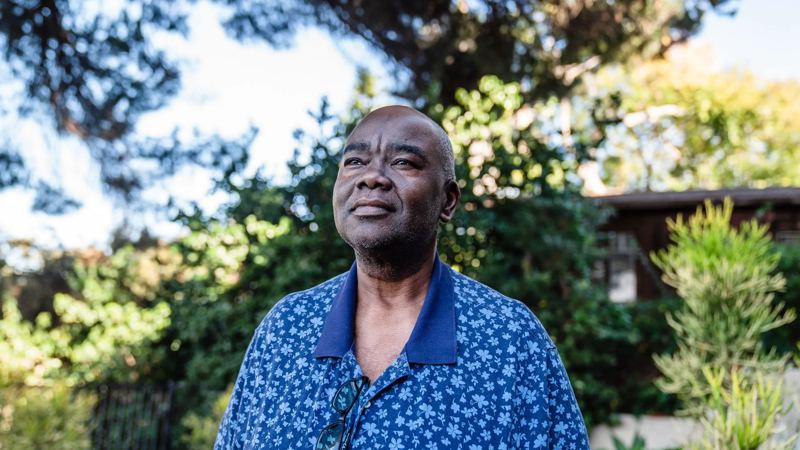
Jerry McCormick’s journey with prostate cancer included significant surgical complications and recovery challenges. His first scheduled surgery on Dec. 4 was aborted after surgeons made three small incisions on his lower abdomen and discovered his abdominal wall was too thick to penetrate. “It was an emotional rollercoaster,” he said. He rescheduled for Jan. 6. Days before the rescheduled procedure, at the height of flu season, McCormick became ill. The surgeon told him if he didn’t recover quickly, they would have to reschedule again. Eventually his cough cleared and doctors approved the surgery to proceed.
The second surgery on Jan. 6 proceeded successfully, involving a larger incision than the first attempt. With pain management through an IV drip of OxyContin and Valium, the pain was manageable post-surgery. Two days later, doctors discharged him. However, McCormick reported he “couldn’t laugh, talk, or breathe” and experienced significant pain. On Jan. 12, he ended up in the emergency room and was admitted to the hospital when one of his incisions became infected. Recovery has been “anything but linear,” he says.
Support and moving forward
Despite challenges, McCormick credits his support network—friends, family, and coworkers—with helping him through recovery. He received flowers, check-in calls, texts, and a $200 DoorDash giftcard pooled by coworkers. Estranged relatives reached out, and close friends called his husband for updates after each surgery. McCormick has documented his experience to educate others. “I promised myself that I would use this experience to educate people,” he says. “If I know something, I want other people to know it. I don’t want them to get the sanitized version of having prostate cancer.” Though some days he feels scared and angry, “other days I’m like, I got this,” he says, drawing strength from his relationships.
This article is an AI-assisted summary. All facts and figures are drawn from the original report: https://sacobserver.com/2026/02/when-prostate-cancer-comes-for-black-men/