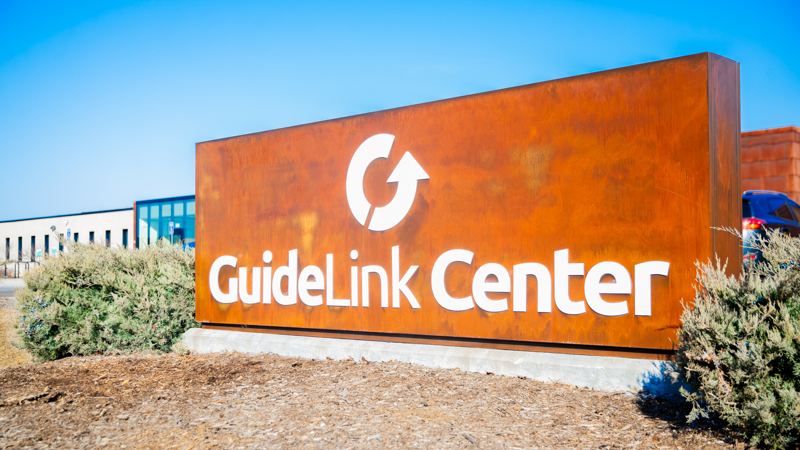
The Johnson County Board of Supervisors has approved funding for GuideLink, Iowa City’s sobering and medical detox center, extending billing through June 2026. The center has provided valuable services over the past five years as overdose rates have increased, though funding, staffing, and resource shortages make it difficult for those in need to receive help.
GuideLink is a sobering center where people can come if they are under the influence or wish to refrain from using substances before going to other substance use treatment facilities. Drug-involved overdoses in southeastern Iowa from 2018 to 2023 have been similar to or higher than Iowa’s average, with rates increasing and ranging from 10 to 16 deaths per 100,000. According to the District 7 Profile and Plan, this underscores the need for such services.
Funding remains a critical challenge: sobering services are not recognized as a billable service by the state and therefore receive no state funding, leaving the financial burden entirely to the county. Around 25 to 35 percent of people utilizing GuideLink’s services come from outside of Johnson County depending on the month. The county estimates it has always paid approximately $400,000 for detox services for uninsured and non-Medicaid individuals, a figure now approaching $500,000. Lack of state funding creates staffing challenges; GuideLink has difficulty maintaining 24/7 assistant coverage alongside paramedics and EMTs. This prevents the center from taking in every person who needs help because they are capped based on the number of staff available. Additional resources include snacks, electrolyte drinks, and toiletries for patients, which are difficult to justify without state funding. Supervisor Rod Sullivan noted that since the early 1970s, Johnson County has paid for detox services for uninsured and non-Medicaid individuals, and this has likely increased as a problem due to lack of providers around the state.
This article is an AI-assisted summary. All facts and figures are drawn from the original report: https://dailyiowan.com/2026/02/17/guidelink-receives-funding-from-joco-supervisors-for-resources-that-will-assist-people-struggling-with-addiction/