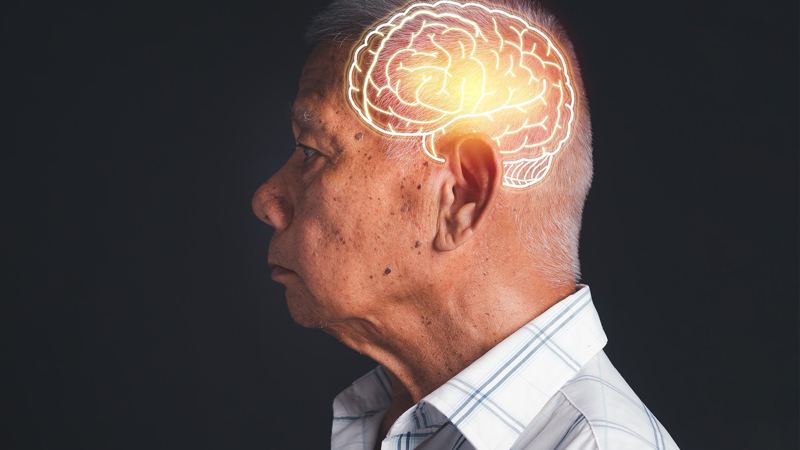
Internalized stress may be an overlooked driver of memory decline in aging populations. A new study from Rutgers Health published in The Journal of Prevention of Alzheimer’s Disease examined why some older adults experience faster cognitive decline than others. The research focused on Chinese Americans over age 60, a group that has received relatively little attention in aging and dementia research despite its rapid growth in the United States.
Researchers zeroed in on “stress internalization,” a pattern in which individuals absorb emotional strain rather than expressing or resolving it. Over time, this can contribute to persistent feelings such as hopelessness, which are increasingly linked to changes in brain function. Cultural expectations may play a role, as the model minority stereotype can make it harder for individuals to acknowledge or seek help for emotional distress. For older immigrants, this pressure may be compounded by language barriers, social isolation, and the challenge of adapting to a different cultural environment.
Research Findings and Implications
The team analyzed information from the Population Study of Chinese Elderly (PINE), the largest community-based study of older Chinese Americans, including interviews from 2011 to 2017 with more than 1,500 participants living in the Chicago area. Their analysis showed that stress internalization, defined as feelings of hopelessness or a tendency to absorb stress, was strongly linked to memory decline across three waves of the study. Other factors examined—neighborhood or community cohesion and external stress relief—did not show a meaningful connection to changes in memory over time.
According to Michelle Chen, lead author and assistant professor of neurology at Rutgers Robert Wood Johnson Medical School, “Stress and hopelessness may go unnoticed in aging populations, yet they play a critical role in how the brain ages. Because these feelings are modifiable, our goal is for this research to inform culturally sensitive stress-reduction interventions to mitigate these feelings in older adults.”
This article is an AI-assisted summary. All facts and figures are drawn from the original report: https://scitechdaily.com/new-study-finds-internalized-stress-may-accelerate-cognitive-decline/