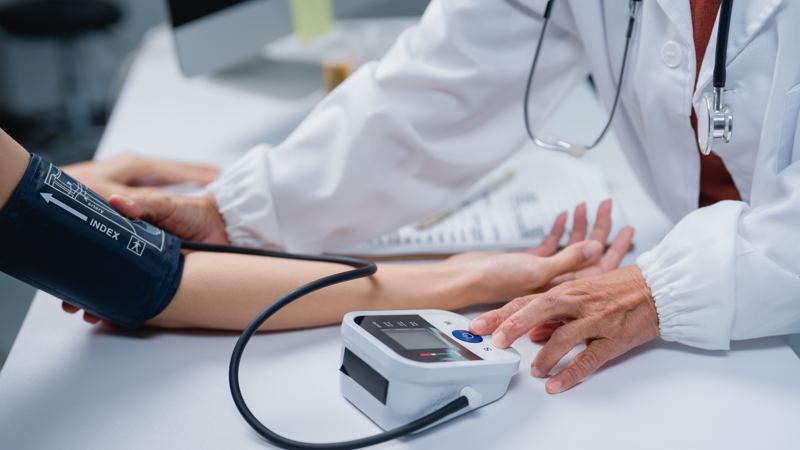
A new nationwide survey reveals a sharp decline in preventive care, with just 17% of employees planning to get an annual physical this year—a 45% drop from 2024. According to HealthJoy’s fourth annual Member Health Goals Report, based on data from over 100,000 members, this collapse in routine checkups carries serious implications for both workers and employers.
David Lawrence, vice president of product strategy for HealthJoy, warned that “the collapse of preventative care is projected to be one of the biggest problems employers face over the next decade.” He emphasized that missing even a single routine appointment can escalate into substantial downstream costs: “That single missed appointment can potentially cascade to hundreds of thousands of dollars in downstream care and treatment.”
Chronic Disease and Mental Health Trends
Around 60% of respondents reported managing at least one chronic condition, a leading driver of healthcare costs. Notably, every age group over 36 saw double-digit growth in self-reported chronic conditions in 2025 compared to the previous year. Nearly half of survey respondents reported a mental health concern, which may reflect an actual worsening crisis, reduced stigma, or a combination of factors. The report was conducted between January 1, 2025, and the end of February 2026, providing current data on workforce health trends and their implications for employer planning.
This article is an AI-assisted summary. All facts and figures are drawn from the original report: https://www.benefitnews.com/news/employees-skip-annual-physicals-nationwide